
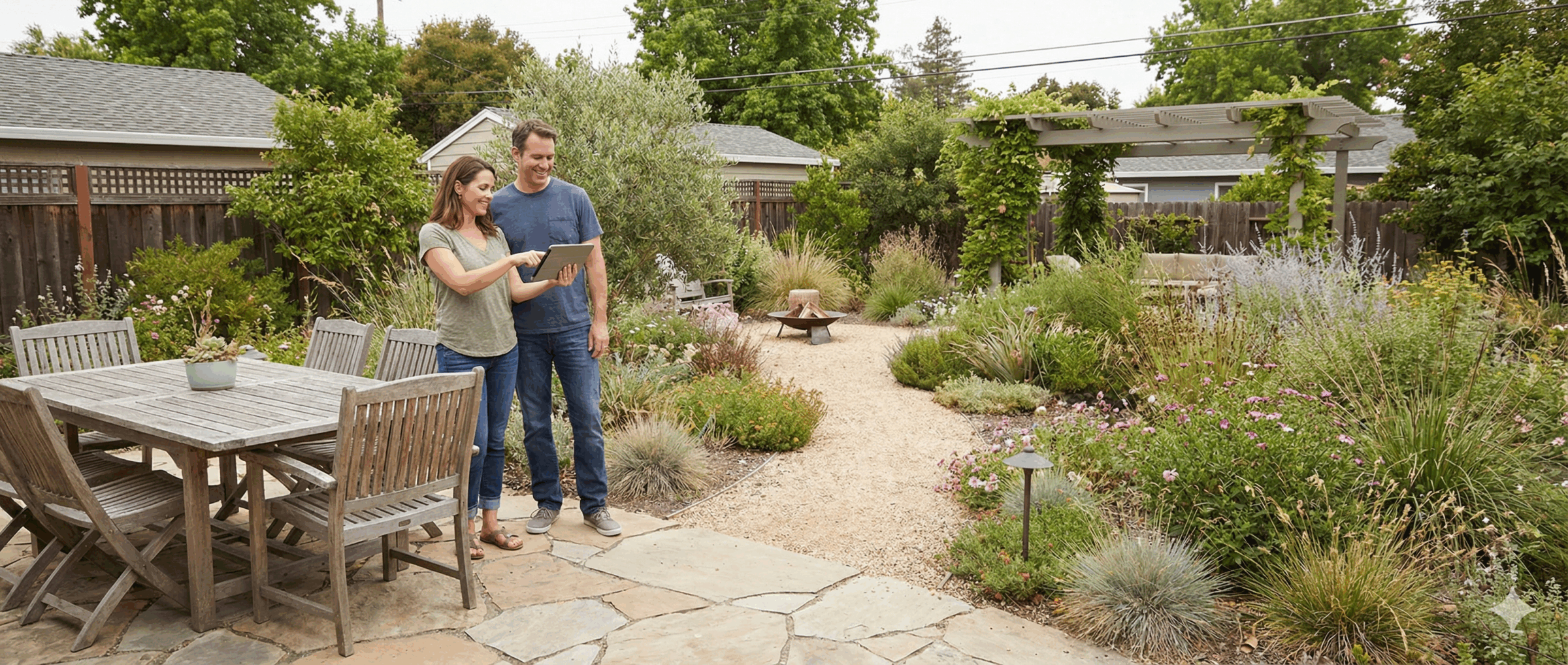
The 2026 Landscaping Buyer: How Homeowner Expectations Are Changing
Homeowners are still investing in their outdoor spaces, but the way they decide which landscaping company to hire is evolving. The 2026 landscaping buyer is more informed, more selective, and more focused on trust and clarity than in years past.
This shift is not about reduced demand. Market research shows the residential landscaping and outdoor living sector continues to grow steadily, driven by homeowners prioritizing property value, lifestyle, and long-term usability (Source). What has changed is how buyers evaluate who deserves their business.
Buyers Start Online and Form Opinions Early
Most homeowners now begin their search for landscaping services online. Studies across the home services industry show that many buyers compare multiple companies before reaching out, and a large percentage do not have a preferred provider when they start searching (Source).
What this means in practice:
Your website and online presence are no longer just marketing tools. They are part of the buying experience.
Clear service descriptions, simple navigation, visible contact options, and fast load times help homeowners feel oriented rather than overwhelmed. If a buyer cannot quickly understand what you do, who you work best with, and what the next step looks like, they are likely to continue searching.
Reviews Have Become a Stand-In for Referrals
Online reviews now function much like word-of-mouth referrals once did. Research shows that over 90 percent of consumers read reviews before hiring a contractor, and many trust them as much as personal recommendations (Source).
What this means in practice:
Landscaping companies benefit from treating reviews as a system rather than an afterthought.
Consistently asking satisfied clients for feedback, responding professionally to reviews, and featuring testimonials on your website all help reduce uncertainty for buyers. Reviews give homeowners reassurance that others like them have already made the same decision and felt good about it.
Visual Proof Carries More Weight Than Marketing Claims
Homeowners are less persuaded by general claims and more influenced by what they can see. Industry trend reports show growing interest in landscapes that reflect real lifestyles, functionality, and long-term enjoyment rather than purely aesthetic statements (Source).
What this means in practice:
Real project photos, short videos, and simple before-and-after visuals are powerful trust builders.
Homeowners want to see:
- Projects completed in neighbourhoods like theirs
- Work that looks lived-in, not staged
- Evidence of consistency across multiple projects
Replacing stock imagery with authentic visuals helps buyers imagine their own space and feel more confident reaching out.
Storytelling Helps Buyers Feel Understood
Many landscaping decisions involve hesitation. Homeowners may worry about cost, disruption, timelines, or making the wrong choice. Story-driven content helps normalize those concerns.
Consumer psychology research shows that stories improve comprehension and emotional connection, making it easier for people to evaluate complex decisions (Source).
What this means in practice:
Landscaping companies can benefit from sharing short, concrete client stories that show how real projects unfolded.
Effective case studies and reviews highlight:
-
What the homeowner was unsure about at the start
-
What trade-offs or decisions were discussed during the project
-
How timelines, budgets, or changes were handled
-
How the homeowner felt once the work was complete
For example, a brief story explaining why a family chose a phased install, how maintenance concerns shaped the design, or how communication stayed clear during construction helps buyers understand what working with you is actually like.
These simple, specific examples reduce uncertainty more effectively than broad claims. When homeowners can recognize their own concerns in someone else’s experience, the decision feels safer and easier to make.
Buyers Are Prioritizing Function & Sustainability
Landscaping trends indicate growing demand for outdoor living spaces, low-maintenance designs, and environmentally responsible solutions such as native plants and smart irrigation (Source).
Homeowners increasingly view their outdoor space as an extension of daily life rather than a purely visual feature.
What this means in practice:
Landscaping companies benefit from clearly explaining how their designs support usability, efficiency, and long-term value.
Even if sustainability or smart features are not your primary focus, showing awareness of these preferences signals that your company understands modern homeowner priorities.
Clear Communication Builds Confidence Before the Sale
Across the home improvement industry, research consistently shows that responsiveness, transparency, and clear expectations are among the strongest drivers of customer satisfaction (Source).
What this means in practice:
Homeowners want to know what working with you will feel like.
Explaining your process at a high level, outlining timelines, and clarifying how decisions are handled during a project helps buyers feel more in control. Confidence grows when expectations are set early and reinforced consistently.
The Outcome Buyers Are Really Seeking
While the finished landscape matters, the deeper outcome homeowners want is confidence in their decision.
Outdoor living surveys show that homeowners are motivated not only by aesthetics, but by comfort, enjoyment, and peace of mind (Source).
What this means in practice:
Marketing that focuses only on results misses part of the picture. Buyers also care about:
- How easy the process feels
- Whether communication is clear
- Whether they trust the people doing the work
Addressing these factors directly helps differentiate your company in a crowded market.
Final Thought
The 2026 landscaping buyer is thoughtful and deliberate. They value trust, clarity, and professionalism as much as craftsmanship.
Landscaping companies that adapt their messaging, visuals, and communication to reflect how homeowners actually think and decide are better positioned to earn confidence and build long-term growth.